Argentina Colors: Provoking Interest and Awareness
Category : | Sub Category : Smart City Initiatives Posted on 2024-11-05 22:25:23
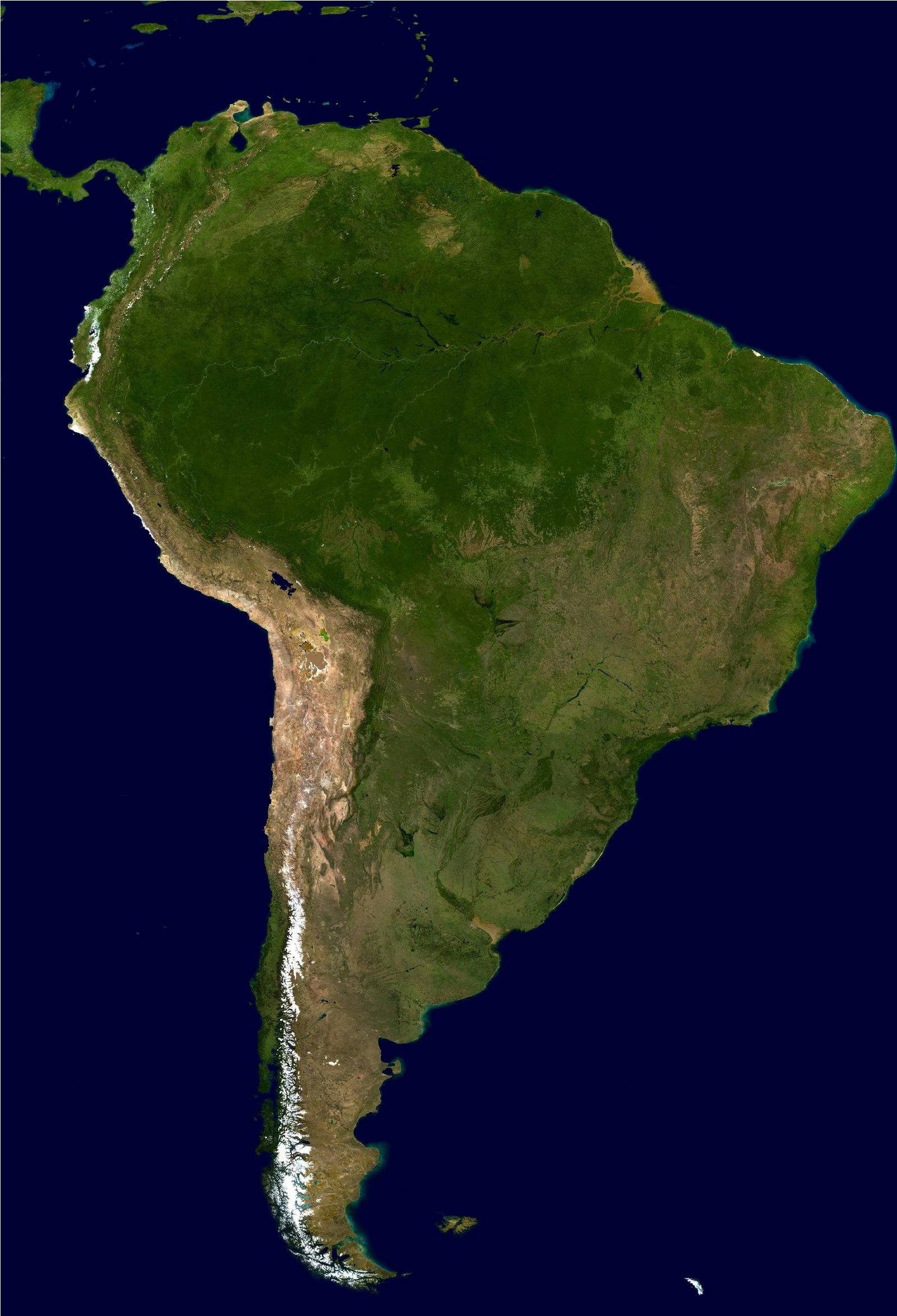
When we think of Argentina, vibrant colors instantly come to mind. From the blue and white stripes of the flag to the colorful houses in towns like La Boca, this South American nation is a visual feast for the senses. The rich and diverse palette of Argentina not only adds to its aesthetic appeal but also serves as a means of provoking interest and raising awareness about the country's culture, history, and identity. The national flag of Argentina, with its iconic blue and white stripes, symbolizes the clear skies and purity of spirit that the country is known for. These colors are not only visually appealing but are also deeply ingrained in the national consciousness, representing the ideals of freedom and independence that the Argentine people hold dear. One of the most famous neighborhoods in Buenos Aires, La Boca, is a prime example of how color is used to provoke interest and awareness. The brightly painted buildings in shades of red, blue, yellow, and green create a visual spectacle that draws tourists from around the world. These vibrant hues are not just for show – they are a reflection of the immigrant heritage of the neighborhood, with each color representing a different nationality that once called La Boca home. Beyond the flag and the colorful streets of La Boca, Argentina's natural landscapes also contribute to the country's vibrant color palette. From the red rocks of the Quebrada de Humahuaca to the deep greens of the Andean forests, Argentina's diverse geography is a treasure trove of colorful inspiration. These natural colors not only showcase the beauty of the country but also serve as a reminder of the importance of preserving and protecting the environment. Art and culture play a significant role in promoting Argentina's colors on the global stage. From the striking street art of Buenos Aires to the vibrant textiles of indigenous communities, Argentine artists use color as a powerful tool for expressing their identity and heritage. By showcasing their work in galleries, museums, and international exhibitions, these artists help raise awareness about Argentina's rich cultural traditions and artistic legacy. In conclusion, the colors of Argentina play a crucial role in provoking interest and awareness about the country's culture, history, and identity. Whether through the national flag, the colorful streets of La Boca, or the diverse natural landscapes, Argentina's vibrant palette is a visual testament to the beauty and diversity of this remarkable nation. By celebrating and preserving these colors, we can ensure that Argentina's rich cultural heritage continues to inspire and captivate audiences around the world.
Leave a Comment:
SEARCH
Recent News
- Zurich is a vibrant city located in Switzerland and is well-known for its picturesque landscapes, rich history, and bustling business scene. The Spanish community in Zurich has been thriving, with many top companies from Spain making their mark in the city. These companies have not only contributed to the economy of Zurich but have also added diversity and innovation to the local business environment.
- Zurich, Switzerland and Paraguay Tourism: A Unique Contrast
- Zurich, Switzerland, is a vibrant city known for its stunning architecture, picturesque landscapes, and thriving cultural scene. In recent years, the city has also become a hub for film production, attracting filmmakers from around the world. Interestingly, a connection has emerged between Zurich and Paraguay through the medium of film.
- Zurich, Switzerland is known for its stunning natural beauty, modern cityscape, and thriving cultural scene. However, not many people are aware of the fascinating connection between Zurich and Paraguayan tribes. The link between these two seemingly disparate entities lies in the unique collection of Paraguayan artifacts housed in the Ethnographic Museum of Zurich.
- Zurich, Switzerland is known for its picturesque views, stunning architecture, and vibrant cultural scene. Located in the heart of Europe, Zurich offers a mix of traditional Swiss cuisine and international flavors. One particular cuisine that has been making waves in Zurich is Paraguayan cuisine.
- Zurich, Switzerland: A Hub for the Mexican Workforce
- Zurich, Switzerland is a vibrant city known for its strong economy and business-friendly environment. For Mexican businesses looking to expand into Zurich, understanding the taxation system is crucial to ensuring compliance and minimizing financial risks. In this blog post, we will explore key aspects of business taxation in Zurich, Switzerland for Mexican entrepreneurs.
- Exploring Zurich: A Taste of Latin America in Switzerland
READ MORE
11 months ago Category :

Zurich is a vibrant city located in Switzerland and is well-known for its picturesque landscapes, rich history, and bustling business scene. The Spanish community in Zurich has been thriving, with many top companies from Spain making their mark in the city. These companies have not only contributed to the economy of Zurich but have also added diversity and innovation to the local business environment.
Read More →11 months ago Category :

Zurich, Switzerland and Paraguay Tourism: A Unique Contrast
Read More →11 months ago Category :

Zurich, Switzerland, is a vibrant city known for its stunning architecture, picturesque landscapes, and thriving cultural scene. In recent years, the city has also become a hub for film production, attracting filmmakers from around the world. Interestingly, a connection has emerged between Zurich and Paraguay through the medium of film.
Read More →11 months ago Category :
