Navigating Legal Compensation and Claims: A Comparison between Argentina and Rwanda
Category : | Sub Category : Smart City Initiatives Posted on 2024-11-05 22:25:23
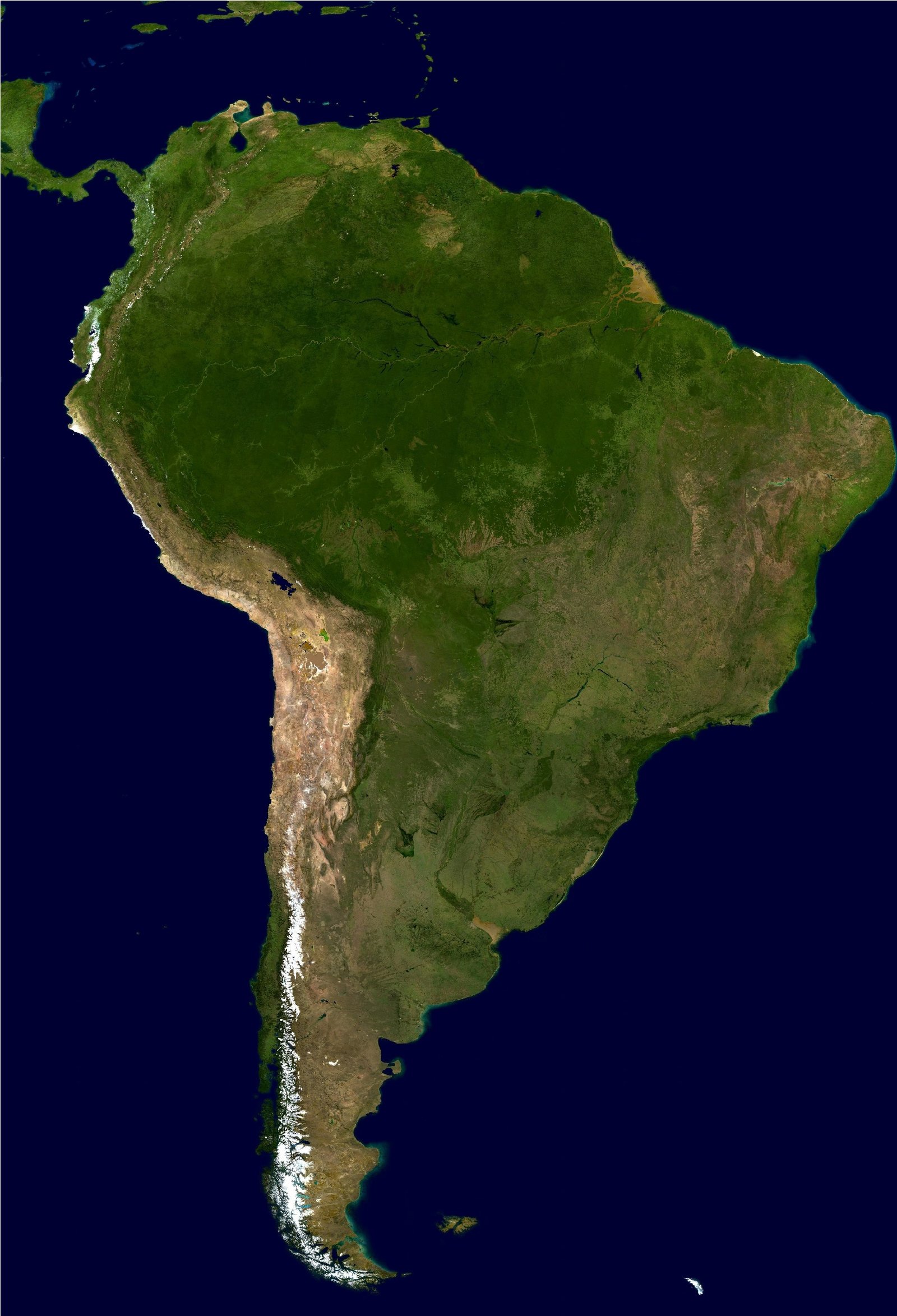
When it comes to legal compensation and claims, different countries have their own legal systems and processes in place to address grievances and provide justice to those who have been wronged. In this blog post, we will take a closer look at the systems in Argentina and Rwanda, two countries with unique approaches to legal compensation and claims. **Argentina’s Legal System** In Argentina, the legal system is based on civil law, which means that laws are codified and judges have a more active role in interpreting and applying these laws. When it comes to legal compensation and claims, individuals in Argentina can file lawsuits to seek compensation for damages or injuries they have suffered. One important aspect of the Argentine legal system is the concept of fault-based liability. This means that in order to receive compensation, the injured party must prove that the other party was at fault or negligent. In cases where fault is established, the court may order the responsible party to pay compensation to the injured party. Another key feature of the Argentine legal system is the availability of class action lawsuits, where a group of individuals who have been similarly harmed can collectively seek compensation. This mechanism allows for more efficient and effective resolution of cases involving multiple plaintiffs. **Rwanda’s Legal System** In contrast, Rwanda follows a mixed legal system that incorporates elements of civil law, common law, and customary law. The legal system in Rwanda has undergone significant reforms in recent years to improve access to justice and ensure that legal processes are fair and transparent. In Rwanda, individuals can seek legal compensation and file claims through the courts or other alternative dispute resolution mechanisms such as arbitration or mediation. The country has also established specialized courts to handle specific types of cases, such as the Commercial High Court and the Rwanda International Commercial Arbitration Centre. One unique aspect of the legal system in Rwanda is the use of community-based mediation known as “Gacaca courts” to address cases related to the 1994 genocide. These grassroots courts played a crucial role in delivering justice and promoting reconciliation in the aftermath of the genocide. **Conclusion** In conclusion, both Argentina and Rwanda have their own distinct legal systems for addressing legal compensation and claims. While Argentina relies on a fault-based liability system and class action lawsuits, Rwanda has adopted a mixed legal system with a focus on access to justice and alternative dispute resolution. Understanding the legal frameworks and processes in each country is essential for individuals seeking compensation or justice for damages or injuries they have suffered. By being aware of the legal avenues available and seeking appropriate legal advice, individuals can navigate the legal systems in Argentina and Rwanda effectively to seek redress for their grievances.
https://castigo.org
https://vollmacht.org
Leave a Comment:
SEARCH
Recent News
- Zurich is a vibrant city located in Switzerland and is well-known for its picturesque landscapes, rich history, and bustling business scene. The Spanish community in Zurich has been thriving, with many top companies from Spain making their mark in the city. These companies have not only contributed to the economy of Zurich but have also added diversity and innovation to the local business environment.
- Zurich, Switzerland and Paraguay Tourism: A Unique Contrast
- Zurich, Switzerland, is a vibrant city known for its stunning architecture, picturesque landscapes, and thriving cultural scene. In recent years, the city has also become a hub for film production, attracting filmmakers from around the world. Interestingly, a connection has emerged between Zurich and Paraguay through the medium of film.
- Zurich, Switzerland is known for its stunning natural beauty, modern cityscape, and thriving cultural scene. However, not many people are aware of the fascinating connection between Zurich and Paraguayan tribes. The link between these two seemingly disparate entities lies in the unique collection of Paraguayan artifacts housed in the Ethnographic Museum of Zurich.
- Zurich, Switzerland is known for its picturesque views, stunning architecture, and vibrant cultural scene. Located in the heart of Europe, Zurich offers a mix of traditional Swiss cuisine and international flavors. One particular cuisine that has been making waves in Zurich is Paraguayan cuisine.
- Zurich, Switzerland: A Hub for the Mexican Workforce
- Zurich, Switzerland is a vibrant city known for its strong economy and business-friendly environment. For Mexican businesses looking to expand into Zurich, understanding the taxation system is crucial to ensuring compliance and minimizing financial risks. In this blog post, we will explore key aspects of business taxation in Zurich, Switzerland for Mexican entrepreneurs.
- Exploring Zurich: A Taste of Latin America in Switzerland
READ MORE
11 months ago Category :

Zurich is a vibrant city located in Switzerland and is well-known for its picturesque landscapes, rich history, and bustling business scene. The Spanish community in Zurich has been thriving, with many top companies from Spain making their mark in the city. These companies have not only contributed to the economy of Zurich but have also added diversity and innovation to the local business environment.
Read More →11 months ago Category :

Zurich, Switzerland and Paraguay Tourism: A Unique Contrast
Read More →11 months ago Category :

Zurich, Switzerland, is a vibrant city known for its stunning architecture, picturesque landscapes, and thriving cultural scene. In recent years, the city has also become a hub for film production, attracting filmmakers from around the world. Interestingly, a connection has emerged between Zurich and Paraguay through the medium of film.
Read More →11 months ago Category :
