The Rise of Deepfake Technology: Implications for Argentina and Warsaw, Poland
Category : | Sub Category : Smart City Initiatives Posted on 2024-11-05 22:25:23
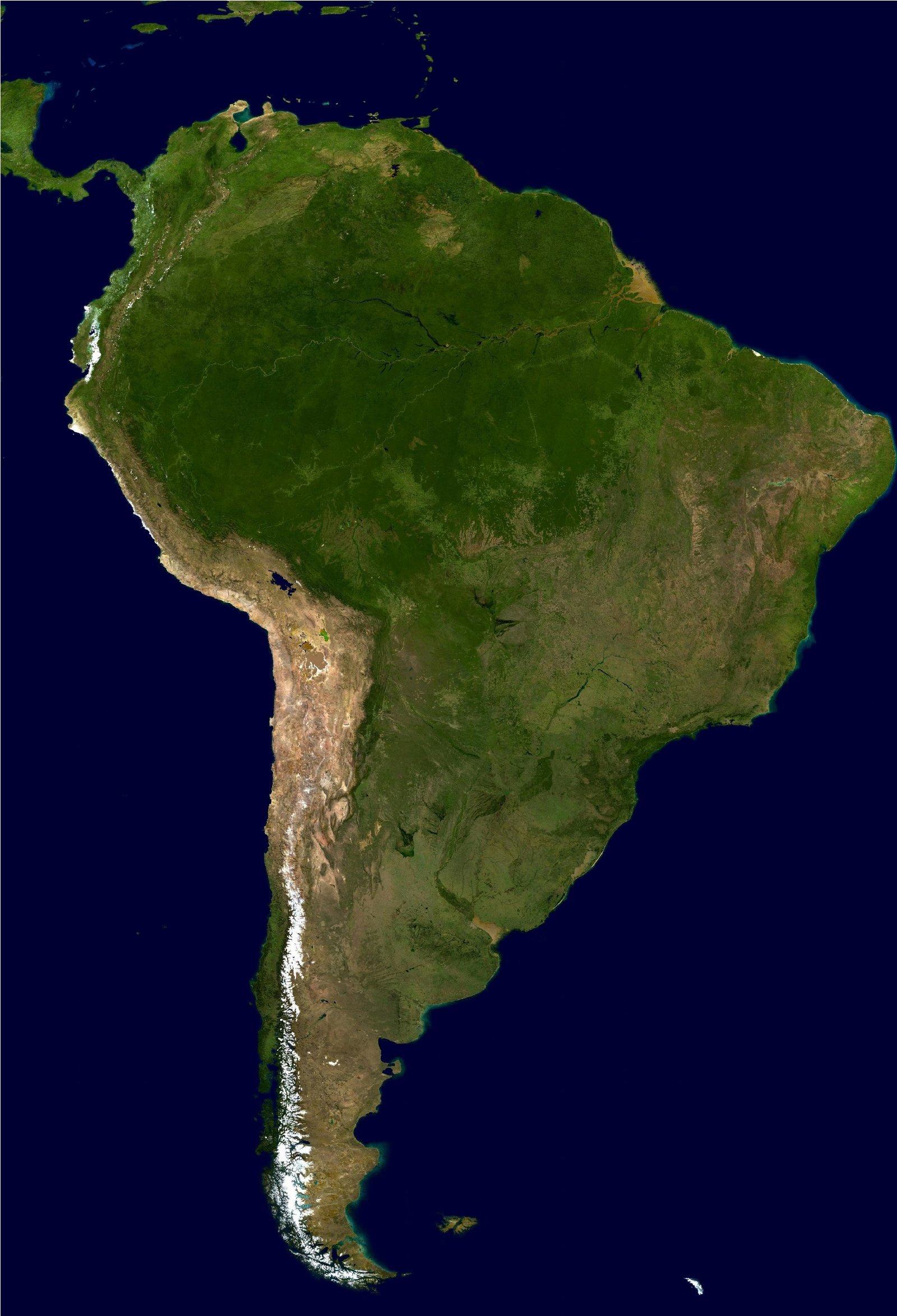
In recent years, deepfake technology has emerged as a powerful tool in the world of digital manipulation. This AI-generated technique allows for the creation of hyper-realistic videos and images, often depicting individuals saying or doing things that never actually occurred. While deepfakes can be entertaining in a harmless context, they also raise serious concerns about their potential misuse and the implications they may have on society, politics, and international relations. Argentina and Warsaw, Poland, as two distinct countries with their own unique histories and geopolitical landscapes, are not immune to the impact of deepfake technology. In Argentina, a country known for its vibrant culture and passionate politics, deepfakes could be used to spread misinformation during elections or manipulate public opinion on controversial issues. The spread of deepfake videos could sow confusion and distrust among citizens, undermining the democratic process and social cohesion. On the other hand, Warsaw, Poland, a city with a rich history marked by periods of conflict and resilience, could also face challenges posed by deepfake technology. In a region that has experienced political tensions and external pressures, deepfakes could be employed as a tool of disinformation by hostile actors seeking to destabilize the region or manipulate public sentiment. The spread of falsified information could have far-reaching consequences for national security, diplomatic relations, and public trust in institutions. As the capabilities of deepfake technology continue to evolve and become more accessible, it is crucial for policymakers, technology companies, and society at large to address the potential risks and implications of its misuse. Safeguards must be put in place to detect and counter the spread of deepfakes, while promoting media literacy and critical thinking among the population. Additionally, international cooperation and agreements may be necessary to combat the transnational nature of deepfake threats and ensure a coordinated response to emerging challenges. In conclusion, the rise of deepfake technology presents a complex and multidimensional challenge for countries like Argentina and Warsaw, Poland. While the potential applications of deepfakes are vast and diverse, so too are the risks associated with their misuse. By remaining vigilant, proactive, and united in our efforts to tackle this issue, we can mitigate the negative effects of deepfakes and protect the integrity of our societies and democracies.
Leave a Comment:
SEARCH
Recent News
- Zurich is a vibrant city located in Switzerland and is well-known for its picturesque landscapes, rich history, and bustling business scene. The Spanish community in Zurich has been thriving, with many top companies from Spain making their mark in the city. These companies have not only contributed to the economy of Zurich but have also added diversity and innovation to the local business environment.
- Zurich, Switzerland and Paraguay Tourism: A Unique Contrast
- Zurich, Switzerland, is a vibrant city known for its stunning architecture, picturesque landscapes, and thriving cultural scene. In recent years, the city has also become a hub for film production, attracting filmmakers from around the world. Interestingly, a connection has emerged between Zurich and Paraguay through the medium of film.
- Zurich, Switzerland is known for its stunning natural beauty, modern cityscape, and thriving cultural scene. However, not many people are aware of the fascinating connection between Zurich and Paraguayan tribes. The link between these two seemingly disparate entities lies in the unique collection of Paraguayan artifacts housed in the Ethnographic Museum of Zurich.
- Zurich, Switzerland is known for its picturesque views, stunning architecture, and vibrant cultural scene. Located in the heart of Europe, Zurich offers a mix of traditional Swiss cuisine and international flavors. One particular cuisine that has been making waves in Zurich is Paraguayan cuisine.
- Zurich, Switzerland: A Hub for the Mexican Workforce
- Zurich, Switzerland is a vibrant city known for its strong economy and business-friendly environment. For Mexican businesses looking to expand into Zurich, understanding the taxation system is crucial to ensuring compliance and minimizing financial risks. In this blog post, we will explore key aspects of business taxation in Zurich, Switzerland for Mexican entrepreneurs.
- Exploring Zurich: A Taste of Latin America in Switzerland
READ MORE
11 months ago Category :

Zurich is a vibrant city located in Switzerland and is well-known for its picturesque landscapes, rich history, and bustling business scene. The Spanish community in Zurich has been thriving, with many top companies from Spain making their mark in the city. These companies have not only contributed to the economy of Zurich but have also added diversity and innovation to the local business environment.
Read More →11 months ago Category :

Zurich, Switzerland and Paraguay Tourism: A Unique Contrast
Read More →11 months ago Category :

Zurich, Switzerland, is a vibrant city known for its stunning architecture, picturesque landscapes, and thriving cultural scene. In recent years, the city has also become a hub for film production, attracting filmmakers from around the world. Interestingly, a connection has emerged between Zurich and Paraguay through the medium of film.
Read More →11 months ago Category :
