**Unveiling the Truth Behind Deepfakes: The Controversy Surrounding Argentina's Vitamin C Fruits**
Category : | Sub Category : Smart City Initiatives Posted on 2024-11-05 22:25:23
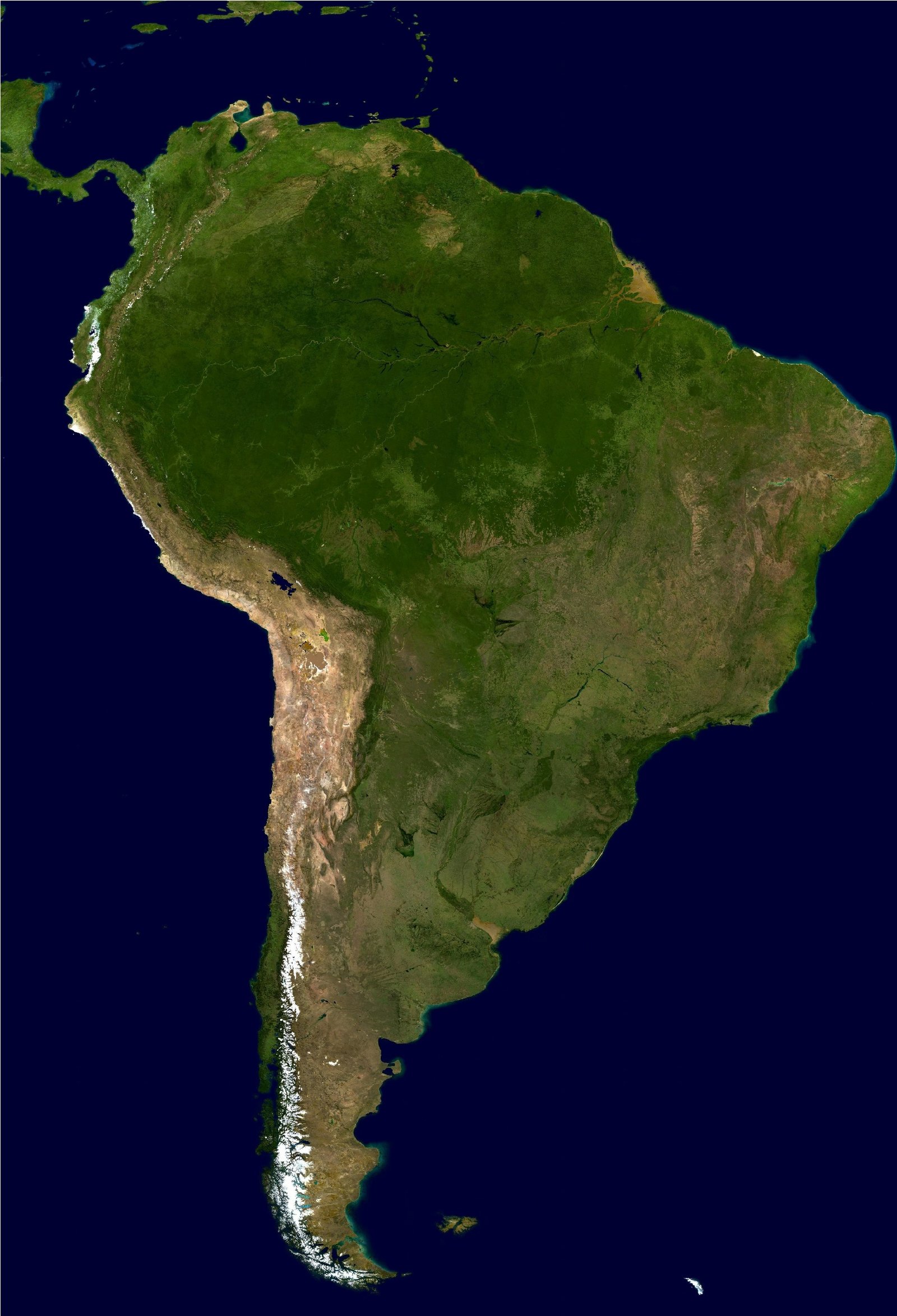
In recent years, the proliferation of deepfake technology has sparked concerns and controversies across various industries and societies. One peculiar incident that captured the attention of many was the deepfake scandal revolving around Argentina's vitamin C-enriched fruits. Deepfakes, which refer to digitally manipulated videos or images that convincingly depict someone saying or doing something that they never actually did, have been used for various purposes ranging from entertainment to fake news propagation. However, the misuse of this technology has led to serious ethical and moral implications, as seen in the case of Argentina's vitamin C fruits. Argentinian farmers have long been known for their high-quality fruits, particularly those rich in vitamin C. These fruits have garnered international acclaim for their health benefits and superior taste. However, a malicious deepfake campaign sought to tarnish the reputation of Argentina's fruit industry by spreading false information about the vitamin C content in their produce. The deepfake videos in question showed renowned nutritionists and health experts supposedly claiming that Argentina's vitamin C fruits were significantly lacking in the essential nutrient. These fabricated videos were strategically disseminated across social media platforms and online forums, leading to widespread confusion and doubt among consumers. The impact of this deepfake scandal was profound, as it not only jeopardized the livelihoods of Argentinian farmers but also undermined the trust and credibility of the country's agricultural exports. Consumers who once relied on Argentina's vitamin C fruits as a source of nutrition and wellness were now hesitant to purchase them, fearing the alleged deficiency highlighted in the deepfake videos. As authorities and experts scrambled to debunk the misinformation and restore confidence in Argentina's fruit industry, the incident shed light on the dangers of deepfake technology when placed in the wrong hands. The ability to create convincing fake videos that can easily deceive the public poses a significant threat to societal trust and integrity. In response to the deepfake scandal, stringent measures were implemented to combat the spread of misinformation and disinformation online. Awareness campaigns were launched to educate consumers about the risks of falling for deepfake content and the importance of verifying sources before believing or sharing information. The case of Argentina's vitamin C fruits serves as a cautionary tale about the deceptive nature of deepfakes and the potential harm they can inflict on individuals, businesses, and entire industries. It underscores the urgent need for greater vigilance and critical thinking in an era where technology can be used to distort reality and manipulate public perception. Moving forward, countries, organizations, and individuals must remain vigilant against the threat of deepfakes and work collectively to uphold truth, transparency, and accountability in the digital age. By staying informed, exercising discernment, and fostering a culture of digital literacy, we can fortify ourselves against the dangers of deepfake technology and safeguard the integrity of our society.
Leave a Comment:
SEARCH
Recent News
- Zurich is a vibrant city located in Switzerland and is well-known for its picturesque landscapes, rich history, and bustling business scene. The Spanish community in Zurich has been thriving, with many top companies from Spain making their mark in the city. These companies have not only contributed to the economy of Zurich but have also added diversity and innovation to the local business environment.
- Zurich, Switzerland and Paraguay Tourism: A Unique Contrast
- Zurich, Switzerland, is a vibrant city known for its stunning architecture, picturesque landscapes, and thriving cultural scene. In recent years, the city has also become a hub for film production, attracting filmmakers from around the world. Interestingly, a connection has emerged between Zurich and Paraguay through the medium of film.
- Zurich, Switzerland is known for its stunning natural beauty, modern cityscape, and thriving cultural scene. However, not many people are aware of the fascinating connection between Zurich and Paraguayan tribes. The link between these two seemingly disparate entities lies in the unique collection of Paraguayan artifacts housed in the Ethnographic Museum of Zurich.
- Zurich, Switzerland is known for its picturesque views, stunning architecture, and vibrant cultural scene. Located in the heart of Europe, Zurich offers a mix of traditional Swiss cuisine and international flavors. One particular cuisine that has been making waves in Zurich is Paraguayan cuisine.
- Zurich, Switzerland: A Hub for the Mexican Workforce
- Zurich, Switzerland is a vibrant city known for its strong economy and business-friendly environment. For Mexican businesses looking to expand into Zurich, understanding the taxation system is crucial to ensuring compliance and minimizing financial risks. In this blog post, we will explore key aspects of business taxation in Zurich, Switzerland for Mexican entrepreneurs.
- Exploring Zurich: A Taste of Latin America in Switzerland
READ MORE
11 months ago Category :

Zurich is a vibrant city located in Switzerland and is well-known for its picturesque landscapes, rich history, and bustling business scene. The Spanish community in Zurich has been thriving, with many top companies from Spain making their mark in the city. These companies have not only contributed to the economy of Zurich but have also added diversity and innovation to the local business environment.
Read More →11 months ago Category :

Zurich, Switzerland and Paraguay Tourism: A Unique Contrast
Read More →11 months ago Category :

Zurich, Switzerland, is a vibrant city known for its stunning architecture, picturesque landscapes, and thriving cultural scene. In recent years, the city has also become a hub for film production, attracting filmmakers from around the world. Interestingly, a connection has emerged between Zurich and Paraguay through the medium of film.
Read More →11 months ago Category :
