The Impact of Deepfake Technology on Leadership and Coaching: A Look at the Situation in Argentina
Category : | Sub Category : Smart City Initiatives Posted on 2024-11-05 22:25:23
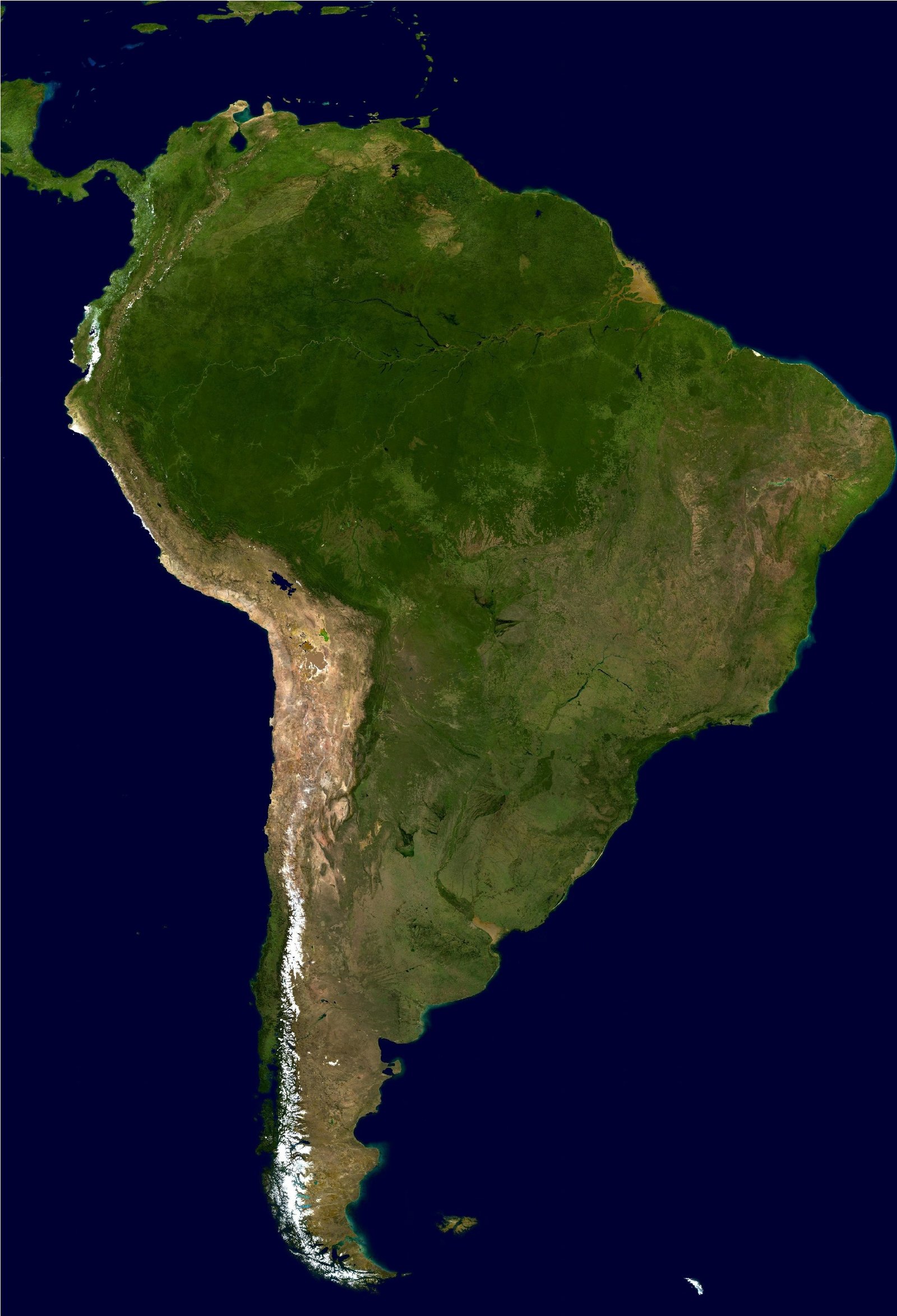
In recent years, deepfake technology has emerged as a powerful tool with the potential to disrupt various aspects of society, including politics, media, and entertainment. In Argentina, a country known for its vibrant political landscape and passionate following of leaders, the rise of deepfake technology raises concerns about the manipulation of public perception and the trustworthiness of information. Leadership in Argentina has always been a topic of great interest and scrutiny, with political figures often playing a significant role in shaping the country's direction. However, with the advent of deepfake technology, the lines between reality and fabrication have become increasingly blurred. Deepfakes can be used to create realistic videos or audio recordings of individuals saying or doing things they never actually did, leading to potential confusion and misinformation among the public. For leaders and coaches in Argentina, the prevalence of deepfake technology poses a particular challenge. In a country where communication and image are crucial aspects of leadership, the ability to create convincing fake videos or speeches could undermine the authority and credibility of even the most respected figures. Coaches who rely on building trust and rapport with their clients may also find their efforts compromised by the spread of deepfake content. To address the impact of deepfake technology on leadership and coaching in Argentina, several strategies can be considered. First and foremost, raising awareness about the existence and potential dangers of deepfakes is crucial. Leaders and coaches need to educate themselves and their followers on how to spot manipulated content and verify the authenticity of information. Additionally, leveraging technology to combat deepfakes can also be effective. Developments in artificial intelligence and machine learning have enabled the creation of tools that can detect and debunk deepfake content. By investing in these technologies, leaders and coaches can protect themselves and their reputations from potential manipulation. Ultimately, the rise of deepfake technology in Argentina highlights the need for vigilance and critical thinking in the digital age. While the technology itself may be used for nefarious purposes, it also presents an opportunity for leaders and coaches to enhance their communication skills and build a stronger sense of trust with their audiences. By staying informed and adaptable, leaders and coaches in Argentina can navigate the challenges posed by deepfakes and emerge as resilient and trusted figures in an ever-evolving landscape.
Leave a Comment:
SEARCH
Recent News
- Zurich is a vibrant city located in Switzerland and is well-known for its picturesque landscapes, rich history, and bustling business scene. The Spanish community in Zurich has been thriving, with many top companies from Spain making their mark in the city. These companies have not only contributed to the economy of Zurich but have also added diversity and innovation to the local business environment.
- Zurich, Switzerland and Paraguay Tourism: A Unique Contrast
- Zurich, Switzerland, is a vibrant city known for its stunning architecture, picturesque landscapes, and thriving cultural scene. In recent years, the city has also become a hub for film production, attracting filmmakers from around the world. Interestingly, a connection has emerged between Zurich and Paraguay through the medium of film.
- Zurich, Switzerland is known for its stunning natural beauty, modern cityscape, and thriving cultural scene. However, not many people are aware of the fascinating connection between Zurich and Paraguayan tribes. The link between these two seemingly disparate entities lies in the unique collection of Paraguayan artifacts housed in the Ethnographic Museum of Zurich.
- Zurich, Switzerland is known for its picturesque views, stunning architecture, and vibrant cultural scene. Located in the heart of Europe, Zurich offers a mix of traditional Swiss cuisine and international flavors. One particular cuisine that has been making waves in Zurich is Paraguayan cuisine.
- Zurich, Switzerland: A Hub for the Mexican Workforce
- Zurich, Switzerland is a vibrant city known for its strong economy and business-friendly environment. For Mexican businesses looking to expand into Zurich, understanding the taxation system is crucial to ensuring compliance and minimizing financial risks. In this blog post, we will explore key aspects of business taxation in Zurich, Switzerland for Mexican entrepreneurs.
- Exploring Zurich: A Taste of Latin America in Switzerland
READ MORE
11 months ago Category :

Zurich is a vibrant city located in Switzerland and is well-known for its picturesque landscapes, rich history, and bustling business scene. The Spanish community in Zurich has been thriving, with many top companies from Spain making their mark in the city. These companies have not only contributed to the economy of Zurich but have also added diversity and innovation to the local business environment.
Read More →11 months ago Category :

Zurich, Switzerland and Paraguay Tourism: A Unique Contrast
Read More →11 months ago Category :

Zurich, Switzerland, is a vibrant city known for its stunning architecture, picturesque landscapes, and thriving cultural scene. In recent years, the city has also become a hub for film production, attracting filmmakers from around the world. Interestingly, a connection has emerged between Zurich and Paraguay through the medium of film.
Read More →11 months ago Category :
