Deepfakes: Understanding the Implications and Challenges in Argentina and Congo
Category : | Sub Category : Smart City Initiatives Posted on 2024-11-05 22:25:23
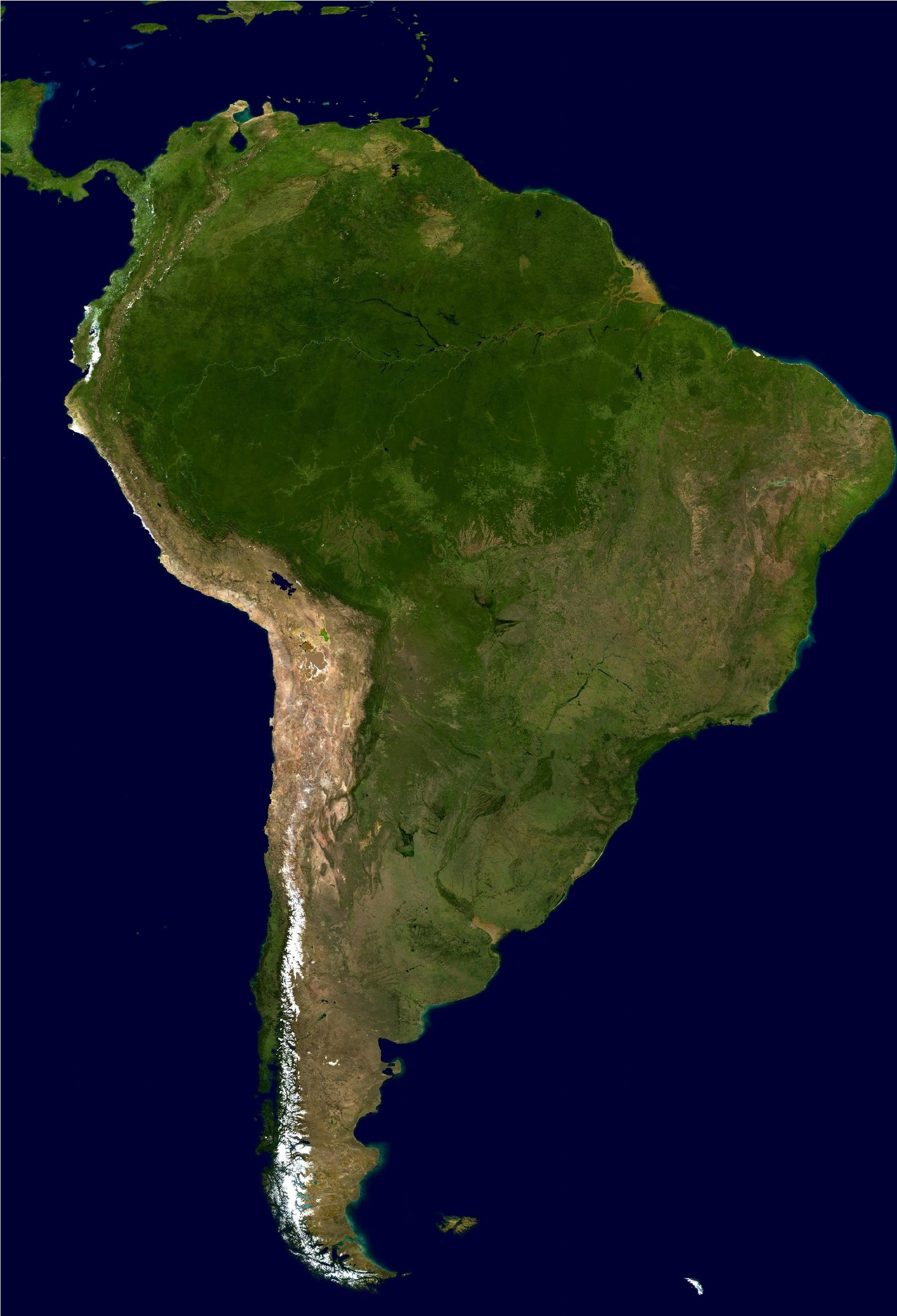
Deepfakes, the term used to describe AI-generated hyper-realistic videos or audio recordings of people saying or doing things they never did, have sparked widespread concern globally. The ability to manipulate digital content with such precision has raised serious ethical, legal, and security concerns in various countries, including Argentina and Congo. In Argentina, deepfake technology has the potential to disrupt the political landscape and influence public opinion significantly. With a history of political turmoil and misinformation campaigns, the spread of deepfake videos could exacerbate existing challenges. Politicians and public figures could easily fall victim to malicious actors who seek to defame or manipulate them through fabricated content. Furthermore, the legal frameworks in Argentina may not be equipped to address the complexities of deepfake technology effectively. Ensuring the authenticity and integrity of media content has become increasingly difficult, raising questions about the responsibility of platforms and individuals in verifying the information they share. In Congo, the implications of deepfakes are equally significant, particularly in the realm of disinformation and propaganda. With a history of political instability and conflict, the use of deepfake technology to spread false narratives or incite violence could have devastating consequences for the region. Recognizing deepfakes and distinguishing them from genuine content has become a priority for media literacy efforts in Congo. Moreover, the challenges posed by deepfakes in Congo extend beyond political spheres to encompass social and cultural domains. The potential for deepfakes to perpetuate harmful stereotypes or distort historical events underscores the importance of raising awareness about the implications of this technology among the general public. As the capabilities of deepfake technology continue to evolve, the need for collaboration among governments, tech companies, and civil society organizations in Argentina and Congo has never been more urgent. Developing robust strategies to detect and mitigate the impact of deepfakes requires a multifaceted approach that addresses technical, ethical, and regulatory dimensions. In conclusion, deepfakes represent a complex and formidable challenge that transcends borders and requires a concerted global effort to address effectively. By understanding the implications and challenges posed by deepfakes in countries like Argentina and Congo, we can work towards safeguarding the integrity of our digital information ecosystem and preserving trust in media content.
Leave a Comment:
SEARCH
Recent News
- Zurich is a vibrant city located in Switzerland and is well-known for its picturesque landscapes, rich history, and bustling business scene. The Spanish community in Zurich has been thriving, with many top companies from Spain making their mark in the city. These companies have not only contributed to the economy of Zurich but have also added diversity and innovation to the local business environment.
- Zurich, Switzerland and Paraguay Tourism: A Unique Contrast
- Zurich, Switzerland, is a vibrant city known for its stunning architecture, picturesque landscapes, and thriving cultural scene. In recent years, the city has also become a hub for film production, attracting filmmakers from around the world. Interestingly, a connection has emerged between Zurich and Paraguay through the medium of film.
- Zurich, Switzerland is known for its stunning natural beauty, modern cityscape, and thriving cultural scene. However, not many people are aware of the fascinating connection between Zurich and Paraguayan tribes. The link between these two seemingly disparate entities lies in the unique collection of Paraguayan artifacts housed in the Ethnographic Museum of Zurich.
- Zurich, Switzerland is known for its picturesque views, stunning architecture, and vibrant cultural scene. Located in the heart of Europe, Zurich offers a mix of traditional Swiss cuisine and international flavors. One particular cuisine that has been making waves in Zurich is Paraguayan cuisine.
- Zurich, Switzerland: A Hub for the Mexican Workforce
- Zurich, Switzerland is a vibrant city known for its strong economy and business-friendly environment. For Mexican businesses looking to expand into Zurich, understanding the taxation system is crucial to ensuring compliance and minimizing financial risks. In this blog post, we will explore key aspects of business taxation in Zurich, Switzerland for Mexican entrepreneurs.
- Exploring Zurich: A Taste of Latin America in Switzerland
READ MORE
11 months ago Category :

Zurich is a vibrant city located in Switzerland and is well-known for its picturesque landscapes, rich history, and bustling business scene. The Spanish community in Zurich has been thriving, with many top companies from Spain making their mark in the city. These companies have not only contributed to the economy of Zurich but have also added diversity and innovation to the local business environment.
Read More →11 months ago Category :

Zurich, Switzerland and Paraguay Tourism: A Unique Contrast
Read More →11 months ago Category :

Zurich, Switzerland, is a vibrant city known for its stunning architecture, picturesque landscapes, and thriving cultural scene. In recent years, the city has also become a hub for film production, attracting filmmakers from around the world. Interestingly, a connection has emerged between Zurich and Paraguay through the medium of film.
Read More →11 months ago Category :
