Deepfake Technology: Implications for Education in Argentina and Cameroon
Category : | Sub Category : Smart City Initiatives Posted on 2024-11-05 22:25:23
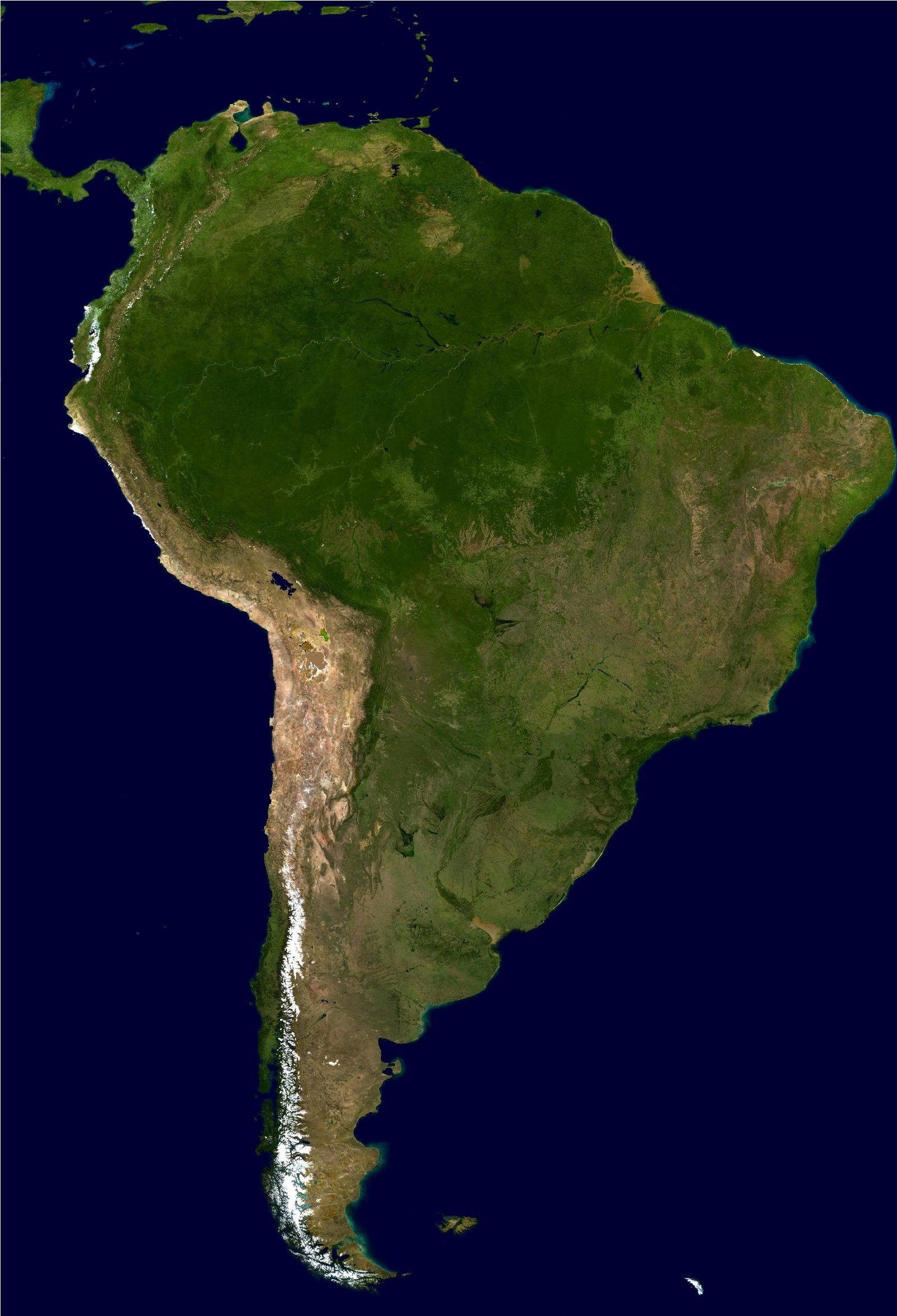
Deepfake technology has emerged as a powerful tool that generates hyper-realistic fake images, audio, and videos using artificial intelligence algorithms. While its applications can range from entertainment to political manipulation, the implications of deepfake technology for education in countries like Argentina and Cameroon are worth exploring. In Argentina, where the education system faces numerous challenges such as a high dropout rate and limited access to quality education in remote areas, deepfake technology could potentially revolutionize the way students learn. Imagine a scenario where historical figures come to life through deepfake videos, making the past more engaging and interactive for students. Teachers could also leverage deepfake technology to create personalized learning experiences tailored to individual student needs, thus enhancing overall learning outcomes. In Cameroon, where access to quality education is limited in rural areas and there is a shortage of qualified teachers, deepfake technology could offer innovative solutions. Virtual teachers powered by deepfake technology could address the teacher shortage by providing interactive lessons in subjects where qualified educators are lacking. Additionally, deepfake simulations could be used to create lifelike scenarios for hands-on learning experiences in fields such as science and engineering, bridging the gap between theory and practice. However, while the potential benefits of integrating deepfake technology into education are promising, there are also ethical implications and concerns that need to be addressed. One major concern is the spread of misinformation and the impact of deepfake content on students' critical thinking skills. Educators in Argentina and Cameroon would need to equip students with media literacy skills to discern between real and manipulated content in an increasingly digital world. Moreover, the security and privacy risks associated with deepfake technology must be carefully managed to safeguard students' personal data and prevent malicious use of fake content in educational settings. Establishing guidelines and regulations around the use of deepfake technology in education would be essential to ensure its responsible implementation and protect students from potential harm. In conclusion, deepfake technology has the potential to transform education in countries like Argentina and Cameroon by offering innovative learning opportunities and addressing existing challenges in the education system. However, careful planning, ethical considerations, and regulatory frameworks are necessary to harness the benefits of deepfake technology while mitigating its risks in the educational context. By leveraging deepfake technology responsibly, educators in Argentina and Cameroon can pave the way for a more engaging and inclusive learning environment for students.
Leave a Comment:
SEARCH
Recent News
- Zurich is a vibrant city located in Switzerland and is well-known for its picturesque landscapes, rich history, and bustling business scene. The Spanish community in Zurich has been thriving, with many top companies from Spain making their mark in the city. These companies have not only contributed to the economy of Zurich but have also added diversity and innovation to the local business environment.
- Zurich, Switzerland and Paraguay Tourism: A Unique Contrast
- Zurich, Switzerland, is a vibrant city known for its stunning architecture, picturesque landscapes, and thriving cultural scene. In recent years, the city has also become a hub for film production, attracting filmmakers from around the world. Interestingly, a connection has emerged between Zurich and Paraguay through the medium of film.
- Zurich, Switzerland is known for its stunning natural beauty, modern cityscape, and thriving cultural scene. However, not many people are aware of the fascinating connection between Zurich and Paraguayan tribes. The link between these two seemingly disparate entities lies in the unique collection of Paraguayan artifacts housed in the Ethnographic Museum of Zurich.
- Zurich, Switzerland is known for its picturesque views, stunning architecture, and vibrant cultural scene. Located in the heart of Europe, Zurich offers a mix of traditional Swiss cuisine and international flavors. One particular cuisine that has been making waves in Zurich is Paraguayan cuisine.
- Zurich, Switzerland: A Hub for the Mexican Workforce
- Zurich, Switzerland is a vibrant city known for its strong economy and business-friendly environment. For Mexican businesses looking to expand into Zurich, understanding the taxation system is crucial to ensuring compliance and minimizing financial risks. In this blog post, we will explore key aspects of business taxation in Zurich, Switzerland for Mexican entrepreneurs.
- Exploring Zurich: A Taste of Latin America in Switzerland
READ MORE
11 months ago Category :

Zurich is a vibrant city located in Switzerland and is well-known for its picturesque landscapes, rich history, and bustling business scene. The Spanish community in Zurich has been thriving, with many top companies from Spain making their mark in the city. These companies have not only contributed to the economy of Zurich but have also added diversity and innovation to the local business environment.
Read More →11 months ago Category :

Zurich, Switzerland and Paraguay Tourism: A Unique Contrast
Read More →11 months ago Category :

Zurich, Switzerland, is a vibrant city known for its stunning architecture, picturesque landscapes, and thriving cultural scene. In recent years, the city has also become a hub for film production, attracting filmmakers from around the world. Interestingly, a connection has emerged between Zurich and Paraguay through the medium of film.
Read More →11 months ago Category :
