**Unveiling the Intersection of Deepfake Technology, Argentina, and Blockchain**
Category : | Sub Category : Smart City Initiatives Posted on 2024-11-05 22:25:23
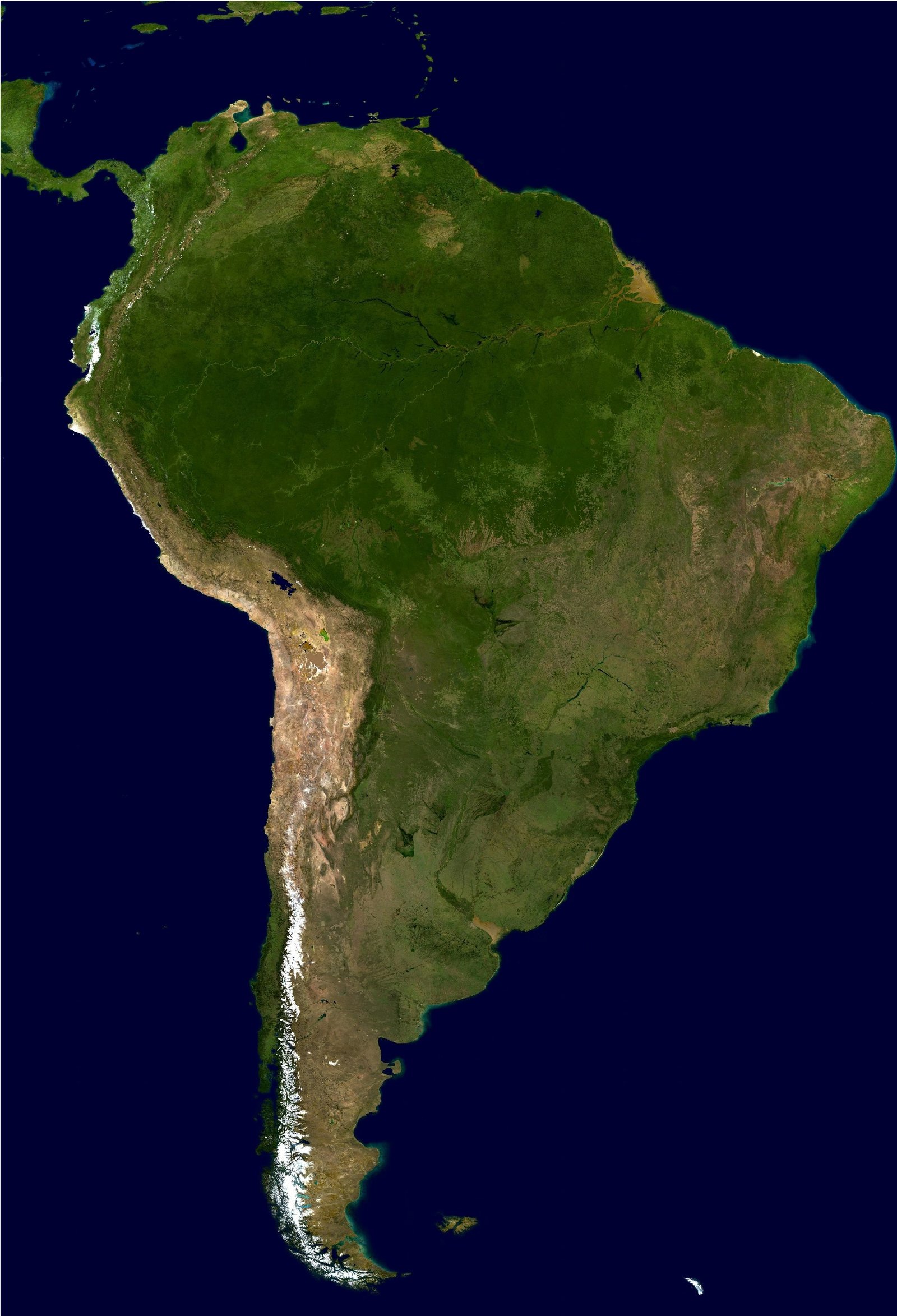
In recent years, the world has witnessed the rise of deepfake technology, a sophisticated form of AI-generated manipulated content that has the potential to blur the lines between reality and fiction. Argentina, a vibrant and culturally rich country in South America, has not been immune to the influence of this disruptive technology. Moreover, the integration of Blockchain technology has further added an intriguing layer to the dynamic landscape of digital innovation in Argentina. Deepfake technology has been a subject of both fascination and concern, as it enables the creation of hyper-realistic videos and audio recordings that can portray individuals saying or doing things that they never actually did. This technology has raised significant ethical and security concerns, particularly regarding its potential misuse for spreading misinformation and propaganda. In Argentina, the emergence of deepfake technology has sparked discussions about its implications for media, politics, and society as a whole. At the same time, Argentina has been making strides in the adoption of blockchain technology, a decentralized and secure digital ledger that enables transparent and tamper-proof record-keeping. Blockchain technology has the potential to revolutionize various industries, from finance and supply chain management to healthcare and voting systems. In Argentina, blockchain initiatives have been gaining traction, with startups and government agencies exploring its applications in areas such as transparency, land registry, and financial services. The convergence of deepfake technology and blockchain in Argentina presents a fascinating intersection of innovation and challenges. On one hand, blockchain technology can potentially be leveraged to enhance the verification and authentication of digital media content, mitigating the risks of deepfake manipulation. By timestamping and storing media files on a blockchain, it becomes possible to establish a secure and immutable record of their authenticity. Furthermore, blockchain-based solutions can be employed to combat misinformation and deepfake threats by providing users with tools to verify the integrity of digital content. By utilizing cryptographic signatures and decentralized verification mechanisms, individuals can ascertain the provenance and trustworthiness of media assets, thereby reducing the impact of malicious deepfake attacks. However, while blockchain technology offers promising solutions to the deepfake dilemma, it also poses its own set of challenges and complexities. The scalability, interoperability, and regulatory considerations of blockchain implementations in Argentina need to be carefully evaluated to ensure their effectiveness and long-term sustainability. In conclusion, the intersection of deepfake technology, Argentina, and blockchain represents a compelling nexus of technological innovation and societal impact. As Argentina continues to navigate the opportunities and challenges presented by these technologies, it is crucial to foster collaboration among stakeholders from the public and private sectors to develop holistic solutions that uphold the principles of truth, transparency, and digital trust in the age of deepfakes.
Leave a Comment:
SEARCH
Recent News
- Zurich is a vibrant city located in Switzerland and is well-known for its picturesque landscapes, rich history, and bustling business scene. The Spanish community in Zurich has been thriving, with many top companies from Spain making their mark in the city. These companies have not only contributed to the economy of Zurich but have also added diversity and innovation to the local business environment.
- Zurich, Switzerland and Paraguay Tourism: A Unique Contrast
- Zurich, Switzerland, is a vibrant city known for its stunning architecture, picturesque landscapes, and thriving cultural scene. In recent years, the city has also become a hub for film production, attracting filmmakers from around the world. Interestingly, a connection has emerged between Zurich and Paraguay through the medium of film.
- Zurich, Switzerland is known for its stunning natural beauty, modern cityscape, and thriving cultural scene. However, not many people are aware of the fascinating connection between Zurich and Paraguayan tribes. The link between these two seemingly disparate entities lies in the unique collection of Paraguayan artifacts housed in the Ethnographic Museum of Zurich.
- Zurich, Switzerland is known for its picturesque views, stunning architecture, and vibrant cultural scene. Located in the heart of Europe, Zurich offers a mix of traditional Swiss cuisine and international flavors. One particular cuisine that has been making waves in Zurich is Paraguayan cuisine.
- Zurich, Switzerland: A Hub for the Mexican Workforce
- Zurich, Switzerland is a vibrant city known for its strong economy and business-friendly environment. For Mexican businesses looking to expand into Zurich, understanding the taxation system is crucial to ensuring compliance and minimizing financial risks. In this blog post, we will explore key aspects of business taxation in Zurich, Switzerland for Mexican entrepreneurs.
- Exploring Zurich: A Taste of Latin America in Switzerland
READ MORE
11 months ago Category :

Zurich is a vibrant city located in Switzerland and is well-known for its picturesque landscapes, rich history, and bustling business scene. The Spanish community in Zurich has been thriving, with many top companies from Spain making their mark in the city. These companies have not only contributed to the economy of Zurich but have also added diversity and innovation to the local business environment.
Read More →11 months ago Category :

Zurich, Switzerland and Paraguay Tourism: A Unique Contrast
Read More →11 months ago Category :

Zurich, Switzerland, is a vibrant city known for its stunning architecture, picturesque landscapes, and thriving cultural scene. In recent years, the city has also become a hub for film production, attracting filmmakers from around the world. Interestingly, a connection has emerged between Zurich and Paraguay through the medium of film.
Read More →11 months ago Category :
