Deepfake Technology and Access Control: The Case of Argentina
Category : | Sub Category : Smart City Initiatives Posted on 2024-11-05 22:25:23
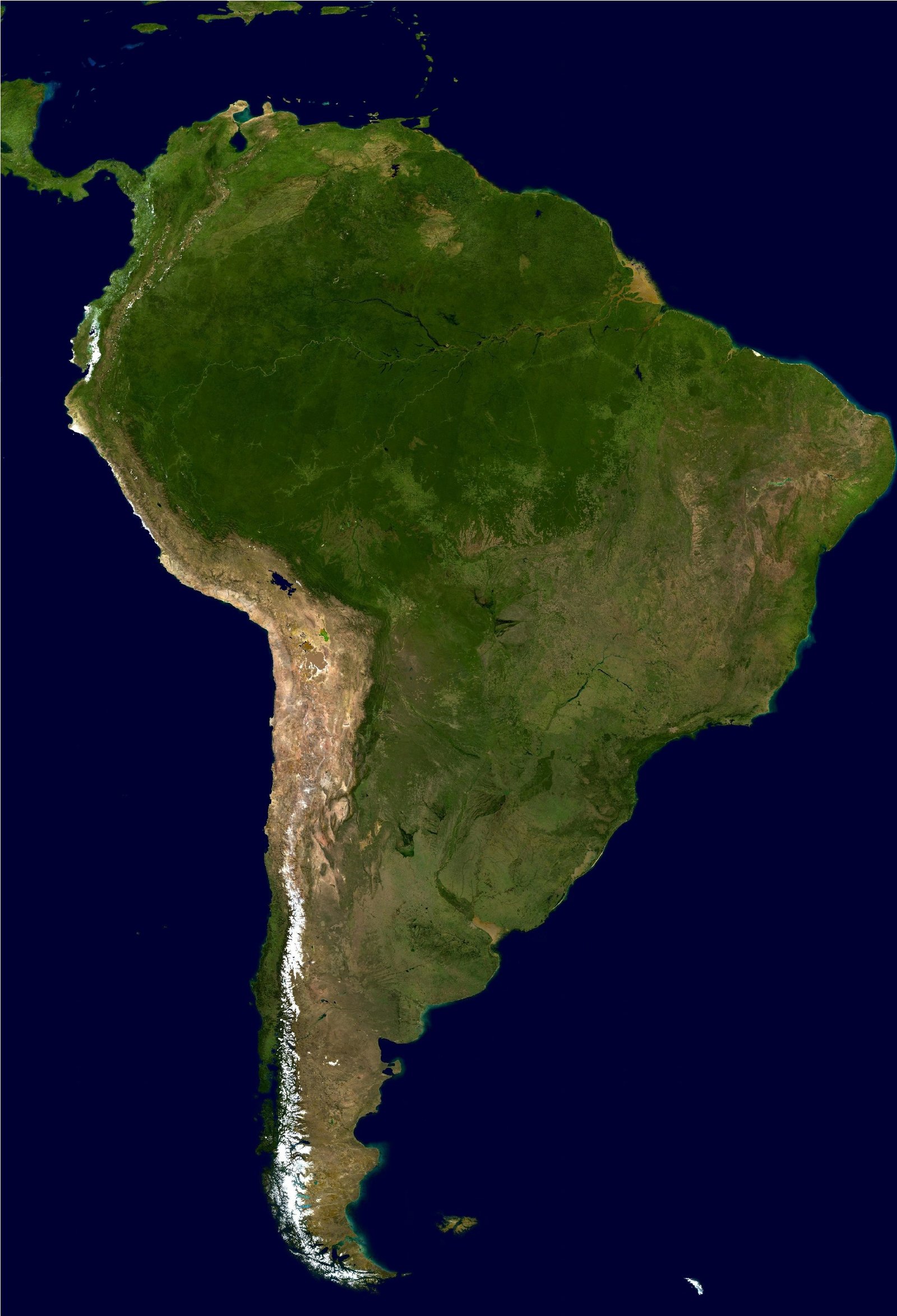
In recent years, deepfake technology has emerged as a significant concern, raising questions about its impact on various aspects of society, including access control. This innovative technology, which uses artificial intelligence to create highly realistic fake videos and images, has the potential to disrupt traditional security measures and threaten the integrity of sensitive information. Argentina, like many other countries, is grappling with the challenges posed by deepfake technology in the realm of access control. Access control is crucial for ensuring the security and confidentiality of data, resources, and facilities. Traditional access control measures such as passwords, PINs, and biometric authentication have long been relied upon to prevent unauthorized access. However, the rise of deepfake technology introduces a new level of complexity to this equation. Deepfake videos can be used to impersonate individuals and deceive facial recognition systems, compromising the effectiveness of access control systems. In Argentina, the implications of deepfake technology for access control are particularly concerning. As a country that increasingly relies on advanced security measures to protect critical infrastructure and sensitive information, Argentina faces the risk of malicious actors exploiting deepfake technology to breach access controls. For instance, a deepfake video could be used to gain unauthorized entry into a secure facility by fooling facial recognition systems or security personnel. To address the challenges posed by deepfake technology in the context of access control, Argentina must adopt a multi-faceted approach. This approach could include enhancing the sophistication of existing access control systems to detect and mitigate deepfake attacks. Additionally, raising awareness about the prevalence of deepfake technology and educating individuals on how to spot and respond to deepfake content can help bolster access control measures. Furthermore, collaboration between government agencies, private organizations, and cybersecurity experts is essential to develop and implement effective strategies for mitigating the risks associated with deepfake technology. By staying vigilant and proactive in the face of evolving threats, Argentina can strengthen its access control mechanisms and safeguard critical assets from potential deepfake attacks. In conclusion, deepfake technology presents unique challenges for access control in Argentina and around the world. As this technology continues to advance, it is imperative for countries to adapt their security measures to effectively combat the threats posed by deepfakes. By prioritizing awareness, collaboration, and innovation, Argentina can navigate the complexities of deepfake technology and enhance its access control capabilities in an increasingly digital and interconnected world.
Leave a Comment:
SEARCH
Recent News
- Zurich is a vibrant city located in Switzerland and is well-known for its picturesque landscapes, rich history, and bustling business scene. The Spanish community in Zurich has been thriving, with many top companies from Spain making their mark in the city. These companies have not only contributed to the economy of Zurich but have also added diversity and innovation to the local business environment.
- Zurich, Switzerland and Paraguay Tourism: A Unique Contrast
- Zurich, Switzerland, is a vibrant city known for its stunning architecture, picturesque landscapes, and thriving cultural scene. In recent years, the city has also become a hub for film production, attracting filmmakers from around the world. Interestingly, a connection has emerged between Zurich and Paraguay through the medium of film.
- Zurich, Switzerland is known for its stunning natural beauty, modern cityscape, and thriving cultural scene. However, not many people are aware of the fascinating connection between Zurich and Paraguayan tribes. The link between these two seemingly disparate entities lies in the unique collection of Paraguayan artifacts housed in the Ethnographic Museum of Zurich.
- Zurich, Switzerland is known for its picturesque views, stunning architecture, and vibrant cultural scene. Located in the heart of Europe, Zurich offers a mix of traditional Swiss cuisine and international flavors. One particular cuisine that has been making waves in Zurich is Paraguayan cuisine.
- Zurich, Switzerland: A Hub for the Mexican Workforce
- Zurich, Switzerland is a vibrant city known for its strong economy and business-friendly environment. For Mexican businesses looking to expand into Zurich, understanding the taxation system is crucial to ensuring compliance and minimizing financial risks. In this blog post, we will explore key aspects of business taxation in Zurich, Switzerland for Mexican entrepreneurs.
- Exploring Zurich: A Taste of Latin America in Switzerland
READ MORE
11 months ago Category :

Zurich is a vibrant city located in Switzerland and is well-known for its picturesque landscapes, rich history, and bustling business scene. The Spanish community in Zurich has been thriving, with many top companies from Spain making their mark in the city. These companies have not only contributed to the economy of Zurich but have also added diversity and innovation to the local business environment.
Read More →11 months ago Category :

Zurich, Switzerland and Paraguay Tourism: A Unique Contrast
Read More →11 months ago Category :

Zurich, Switzerland, is a vibrant city known for its stunning architecture, picturesque landscapes, and thriving cultural scene. In recent years, the city has also become a hub for film production, attracting filmmakers from around the world. Interestingly, a connection has emerged between Zurich and Paraguay through the medium of film.
Read More →11 months ago Category :
