Unpacking the Contradictions in Argentina's Renewable Energy Sector
Category : | Sub Category : Smart City Initiatives Posted on 2024-11-05 22:25:23
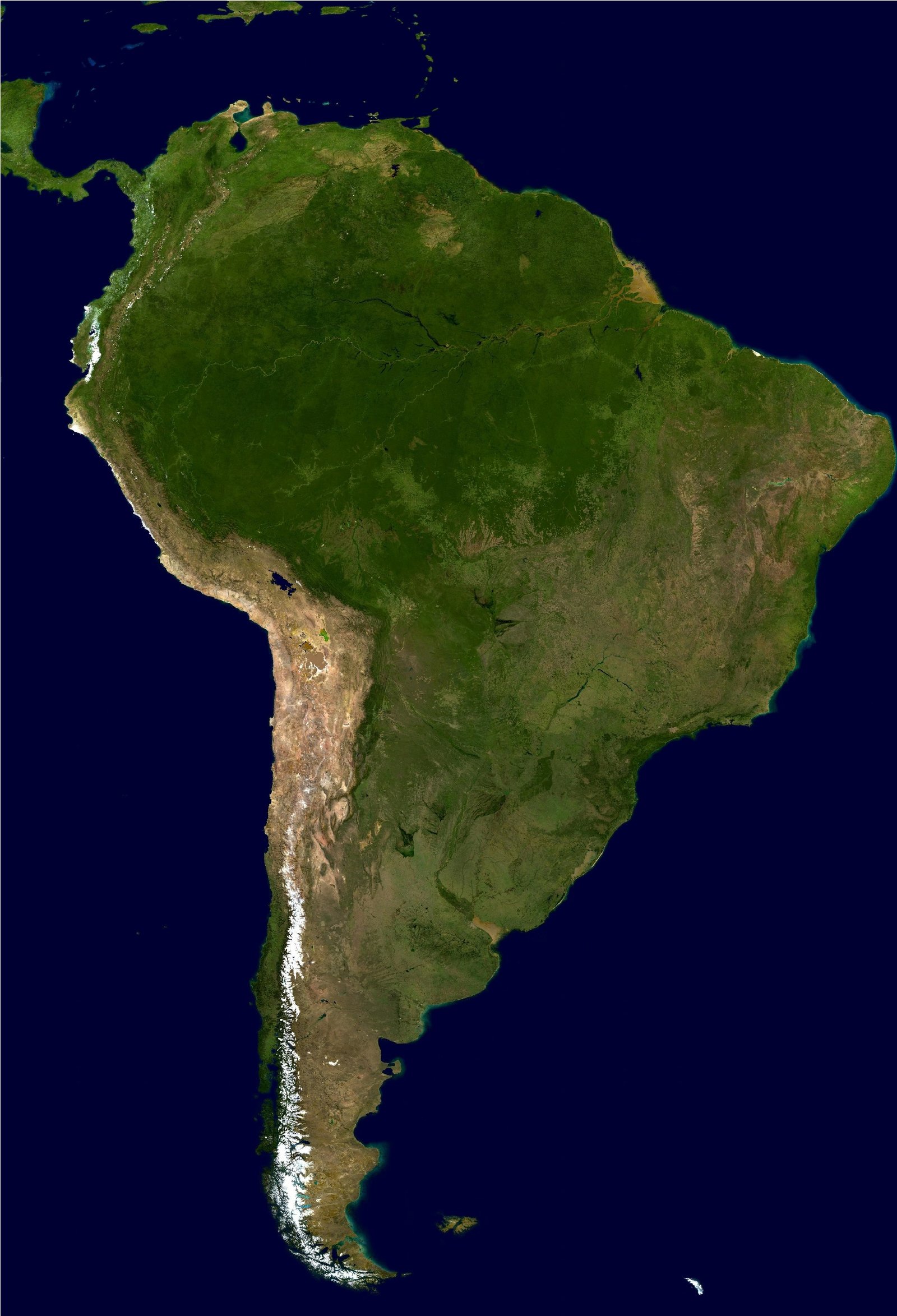
Argentina has been making significant strides in the renewable energy sector in recent years, with a focus on transitioning towards a more sustainable and environmentally friendly energy mix. However, amid this progress, there are underlying contradictions that highlight the challenges and complexities of the country's renewable energy landscape. One of the key contradictions in Argentina's renewable energy sector is the growing investment in renewable energy projects alongside continued reliance on fossil fuels. While the government has implemented ambitious renewable energy targets and incentives to attract investments in solar, wind, and hydropower projects, the country still heavily depends on fossil fuels, particularly natural gas and oil, for its energy needs. This dual approach underscores the challenge of balancing the immediate energy demands of the population with the long-term goal of shifting towards cleaner energy sources. Argentina's abundant natural gas reserves have traditionally been a crucial component of its energy mix, providing a reliable and affordable source of power. However, this has posed a dilemma for the government as it seeks to promote renewables while ensuring a stable energy supply. Another contradiction lies in the uneven distribution of renewable energy resources within the country. While Argentina boasts vast potential for renewable energy generation, including solar and wind resources in the northern and southern regions, the infrastructure and investment required to harness these resources are often lacking. This results in a disparity where some regions benefit from renewable energy projects while others continue to rely on conventional energy sources. Furthermore, the economic challenges facing Argentina have posed obstacles to the widespread adoption of renewable energy. The fluctuating currency exchange rates, inflation, and financial constraints have impacted the investment climate for renewable energy projects, making it difficult for developers to secure financing and scale up their operations. Despite these contradictions, there are signs of progress and potential solutions on the horizon. The Argentine government has taken steps to address these challenges by introducing policies to promote renewable energy development, such as the RenovAr program aimed at increasing the share of renewables in the energy mix. International collaborations and partnerships have also played a crucial role in supporting Argentina's renewable energy transition. In conclusion, the contradictions in Argentina's renewable energy sector underscore the complexities and trade-offs involved in transitioning towards a more sustainable energy future. While there are challenges to overcome, the commitment to harnessing renewable energy sources and reducing carbon emissions signals a positive direction for Argentina's energy landscape. By addressing these contradictions with holistic and integrated approaches, Argentina can pave the way for a greener and more resilient energy sector for the years to come.
https://sunpowerpanels.com
https://refueling.net
Leave a Comment:
SEARCH
Recent News
- Zurich is a vibrant city located in Switzerland and is well-known for its picturesque landscapes, rich history, and bustling business scene. The Spanish community in Zurich has been thriving, with many top companies from Spain making their mark in the city. These companies have not only contributed to the economy of Zurich but have also added diversity and innovation to the local business environment.
- Zurich, Switzerland and Paraguay Tourism: A Unique Contrast
- Zurich, Switzerland, is a vibrant city known for its stunning architecture, picturesque landscapes, and thriving cultural scene. In recent years, the city has also become a hub for film production, attracting filmmakers from around the world. Interestingly, a connection has emerged between Zurich and Paraguay through the medium of film.
- Zurich, Switzerland is known for its stunning natural beauty, modern cityscape, and thriving cultural scene. However, not many people are aware of the fascinating connection between Zurich and Paraguayan tribes. The link between these two seemingly disparate entities lies in the unique collection of Paraguayan artifacts housed in the Ethnographic Museum of Zurich.
- Zurich, Switzerland is known for its picturesque views, stunning architecture, and vibrant cultural scene. Located in the heart of Europe, Zurich offers a mix of traditional Swiss cuisine and international flavors. One particular cuisine that has been making waves in Zurich is Paraguayan cuisine.
- Zurich, Switzerland: A Hub for the Mexican Workforce
- Zurich, Switzerland is a vibrant city known for its strong economy and business-friendly environment. For Mexican businesses looking to expand into Zurich, understanding the taxation system is crucial to ensuring compliance and minimizing financial risks. In this blog post, we will explore key aspects of business taxation in Zurich, Switzerland for Mexican entrepreneurs.
- Exploring Zurich: A Taste of Latin America in Switzerland
READ MORE
10 months ago Category :

Zurich is a vibrant city located in Switzerland and is well-known for its picturesque landscapes, rich history, and bustling business scene. The Spanish community in Zurich has been thriving, with many top companies from Spain making their mark in the city. These companies have not only contributed to the economy of Zurich but have also added diversity and innovation to the local business environment.
Read More →10 months ago Category :

Zurich, Switzerland and Paraguay Tourism: A Unique Contrast
Read More →10 months ago Category :

Zurich, Switzerland, is a vibrant city known for its stunning architecture, picturesque landscapes, and thriving cultural scene. In recent years, the city has also become a hub for film production, attracting filmmakers from around the world. Interestingly, a connection has emerged between Zurich and Paraguay through the medium of film.
Read More →10 months ago Category :
