Argentina: A Literary Tapestry of Contradictions
Category : | Sub Category : Smart City Initiatives Posted on 2024-11-05 22:25:23
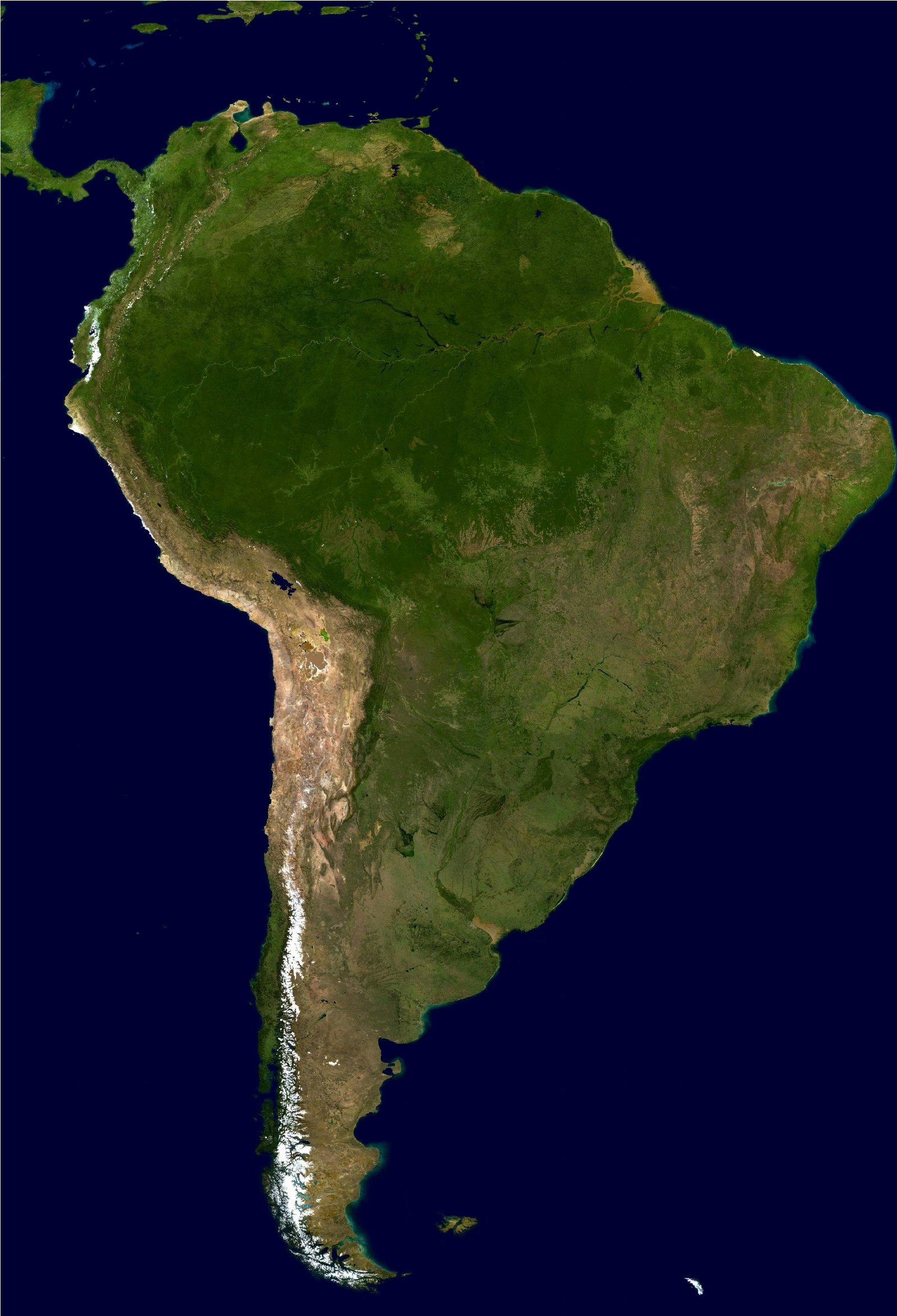
Argentina, a country known for its vibrant culture, rich history, and passionate people, is also a land of contradictions. These contradictions are often reflected in the literature produced by Argentine authors, offering readers a fascinating glimpse into the complexities of Argentine society. From magical realism to political upheaval, the following books capture the essence of Argentina's contradictions. 1. "Ficciones" by Jorge Luis Borges Jorge Luis Borges, one of Argentina's most influential writers, is renowned for his innovative and intricate short stories that often blur the lines between reality and fantasy. In "Ficciones," Borges explores themes of identity, language, and the nature of storytelling itself. Through his labyrinthine narratives, Borges confronts the contradictions inherent in human perception and the limitations of knowledge. 2. "Hopscotch" by Julio Cortázar Julio Cortázar's groundbreaking novel "Hopscotch" defies conventional narrative structures and invites readers to participate in shaping the story. Set in Paris and Buenos Aires, the novel follows the lives of a group of bohemian intellectuals as they grapple with existential questions and societal norms. Cortázar's playful approach to storytelling mirrors the dualities and contradictions of Argentine society, challenging readers to rethink their assumptions about reality and fiction. 3. "The Invention of Morel" by Adolfo Bioy Casares Adolfo Bioy Casares's enigmatic novella "The Invention of Morel" explores the boundaries between love and obsession, dreams and reality. Set on a mysterious island, the story follows a fugitive who stumbles upon a group of people trapped in a never-ending loop of time. As the protagonist becomes entangled in their lives, he must confront the paradoxes and contradictions that define his own existence. Bioy Casares's haunting tale challenges readers to question the nature of perception and the limits of human understanding. 4. "Kiss of the Spider Woman" by Manuel Puig Manuel Puig's novel "Kiss of the Spider Woman" delves into the complexities of desire, power, and freedom against the backdrop of Argentina's political turmoil. Set in a Buenos Aires prison, the story follows the unlikely friendship between two cellmates: a gay window dresser and a revolutionary activist. Through their intimate conversations and shared fantasies, Puig explores the contradictions inherent in personal and political relationships, shedding light on the struggles of marginalized individuals in a repressive society. In conclusion, the literature of Argentina reflects the country's multifaceted nature, capturing the contradictions and complexities that define its society. From magical realist tales to political allegories, Argentine authors continue to explore the depths of human experience and challenge readers to confront their own assumptions. Dive into these literary works to discover the fascinating tapestry of contradictions that shape Argentine culture and identity. For a broader perspective, don't miss https://www.discutir.org
Leave a Comment:
SEARCH
Recent News
- Zurich is a vibrant city located in Switzerland and is well-known for its picturesque landscapes, rich history, and bustling business scene. The Spanish community in Zurich has been thriving, with many top companies from Spain making their mark in the city. These companies have not only contributed to the economy of Zurich but have also added diversity and innovation to the local business environment.
- Zurich, Switzerland and Paraguay Tourism: A Unique Contrast
- Zurich, Switzerland, is a vibrant city known for its stunning architecture, picturesque landscapes, and thriving cultural scene. In recent years, the city has also become a hub for film production, attracting filmmakers from around the world. Interestingly, a connection has emerged between Zurich and Paraguay through the medium of film.
- Zurich, Switzerland is known for its stunning natural beauty, modern cityscape, and thriving cultural scene. However, not many people are aware of the fascinating connection between Zurich and Paraguayan tribes. The link between these two seemingly disparate entities lies in the unique collection of Paraguayan artifacts housed in the Ethnographic Museum of Zurich.
- Zurich, Switzerland is known for its picturesque views, stunning architecture, and vibrant cultural scene. Located in the heart of Europe, Zurich offers a mix of traditional Swiss cuisine and international flavors. One particular cuisine that has been making waves in Zurich is Paraguayan cuisine.
- Zurich, Switzerland: A Hub for the Mexican Workforce
- Zurich, Switzerland is a vibrant city known for its strong economy and business-friendly environment. For Mexican businesses looking to expand into Zurich, understanding the taxation system is crucial to ensuring compliance and minimizing financial risks. In this blog post, we will explore key aspects of business taxation in Zurich, Switzerland for Mexican entrepreneurs.
- Exploring Zurich: A Taste of Latin America in Switzerland
READ MORE
10 months ago Category :

Zurich is a vibrant city located in Switzerland and is well-known for its picturesque landscapes, rich history, and bustling business scene. The Spanish community in Zurich has been thriving, with many top companies from Spain making their mark in the city. These companies have not only contributed to the economy of Zurich but have also added diversity and innovation to the local business environment.
Read More →10 months ago Category :

Zurich, Switzerland and Paraguay Tourism: A Unique Contrast
Read More →10 months ago Category :

Zurich, Switzerland, is a vibrant city known for its stunning architecture, picturesque landscapes, and thriving cultural scene. In recent years, the city has also become a hub for film production, attracting filmmakers from around the world. Interestingly, a connection has emerged between Zurich and Paraguay through the medium of film.
Read More →10 months ago Category :
